MAHARASTRA
These top Maharashtra tourist places offer a diverse mix
of ancient cave temples, forts, mountains, Wineries,
spirituality, and beaches. Of course, there’s cosmopolitan
Mumbai as well.
1. Mumbai:

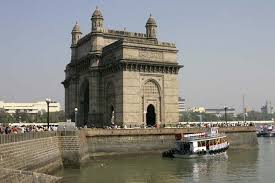
Mumbai, the capital city of Maharashtra, is the financial capital of India and the home of India’s Bollywood film industry. Also called India’s “maximum city”, Mumbai is known for its extreme standards of living, fast paced lifestyle, and the making (or breaking) of dreams. Captivating examples of colonial British architecture can be found all over the city and make up many of mumbai’s top attractions. Mumbai also has a pulsating nightlife, with unforgettable bars, live music venues, and traveler hangouts.
Mumbai, officially named Bombay until 1995, is the financial capital of India and the home of India’s Bollywood film industry. Also called India’s “maximum city”, Mumbai is known for its extreme standards of living, fast paced lifestyle, and the making (or breaking) of dreams. It’s a cosmopolitan and increasingly westernized city that’s an important base for industry and foreign trade. This Mumbai information will help you plan your trip.
History:
Mumbai’s interesting history saw it ruled by the Portuguese for 125 years until. Incredibly, it was given to the British as part of a wedding dowry. Catherine Braganza (the Princess of Portugal) married Charles ll (the King of England) in 1662, and the city was included as a dowry gift. The British firstly developed Mumbai as a port, before embarking on extensive urban construction works in the early 1800s onwards. After India obtained Independence in 1947 and the British departed, a population boom followed, brought about by the lure of wealth and opportunities unavailable elsewhere in the country.
2. Matheran:

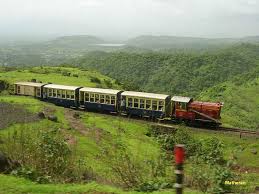
The closest hill station to Mumbai, Matheran was discovered in 1850 by the British during their occupation of India and subsequently developed into a popular summer retreat. At height of 800 meters (2,625 feet) above sea level, this serene place provides a cooling escape from searing temperatures. However, the most unique thing about it and what makes it so special, is that all vehicles are banned there – even bicycles. It’s a soothing place to relax away from any noise and pollution. Get there by taking the scenic toy train.
Location:
Matheran is located around 100 kilometers (62miles) east of Mumbai, in the state of Maharashtra.
3. Tadoba National Park:

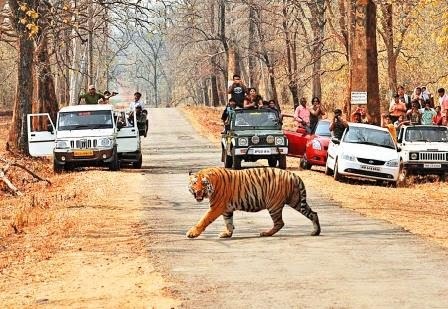
Overlooked by tourism until recently because it was off the beaten track and lacked accommodations, these days Tadoba National Park and Tiger Reserve in Maharashtra is fast gaining a reputation as one of the best places to see a tiger in the wild in India. Created in 1955, Tadoba National Park is the largest and oldest in Maharashtra—and, although it’s growing in popularity, still remains quite off the beaten track. Dominated by teak and bamboo, and with a magical landscape of rugged cliffs, marshes, and lakes it’s full of diverse wildlife and was once favored by shikaras (hunters).Together with the Andhari Tiger Reserve. If you want to see in the wild in India, forget Bandhavgarh and Ranthambore. At this 625.40 square kilometer reserve, it’s commonly not a matter of whether you’ll see a tiger, but rather how many. The most recent census, carried out in 2012, found that the core area has 43 tigers. There are another 22 tigers in the buffer area, and a further 35 in the area surrounding the park.
4. Shirdi:

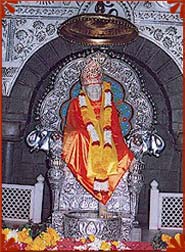
Shirdi is a small town in Maharashtra that’s devoted to the popular saint Sai Baba. He preached tolerance towards all religions and equality of all people. Devotees flock to Shirdi, as an important pilgrimage place.
Who Was Shirdi Sai Baba?
Sai Baba of Shirdi was an Indian guru. His place and date of birth is unknown, although he passed away on October 15,1918, and his body has been entombed at the temple complex in Shirdi. His teachings combined elements of Hinduism and Islam. Many Hindu devotees consider him an incarnation of Lord Krishna, while other devotees consider him to be an incarnation of Lord Dattatreya. Many devotees believe that he was a Satguru, an enlightened Sufi Pir, or a Qutub.
Sai Baba’s real name is unknown. His name “Sai” was apparently given to him when he arrived at Shirdi. A local temple priest recognized him as a Muslim saint and greeted him with the words ‘Ya Sai!’, meaning ‘Welcome Sai!’, The Shirdi Sai Baba movement began in the late 19th century, while he was living in Shirdi.
5. Kolhapur:

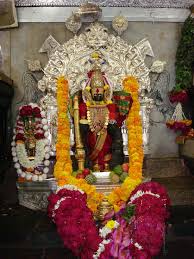
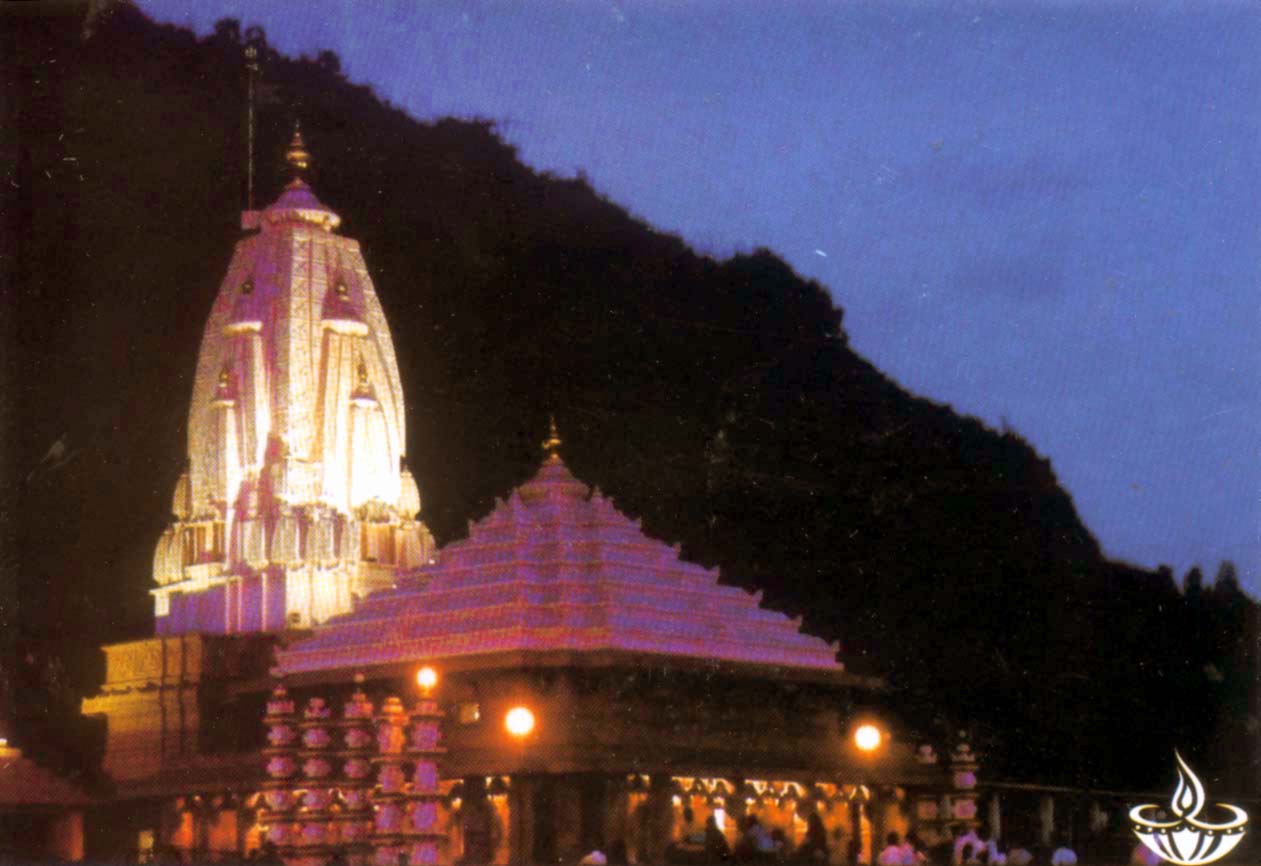
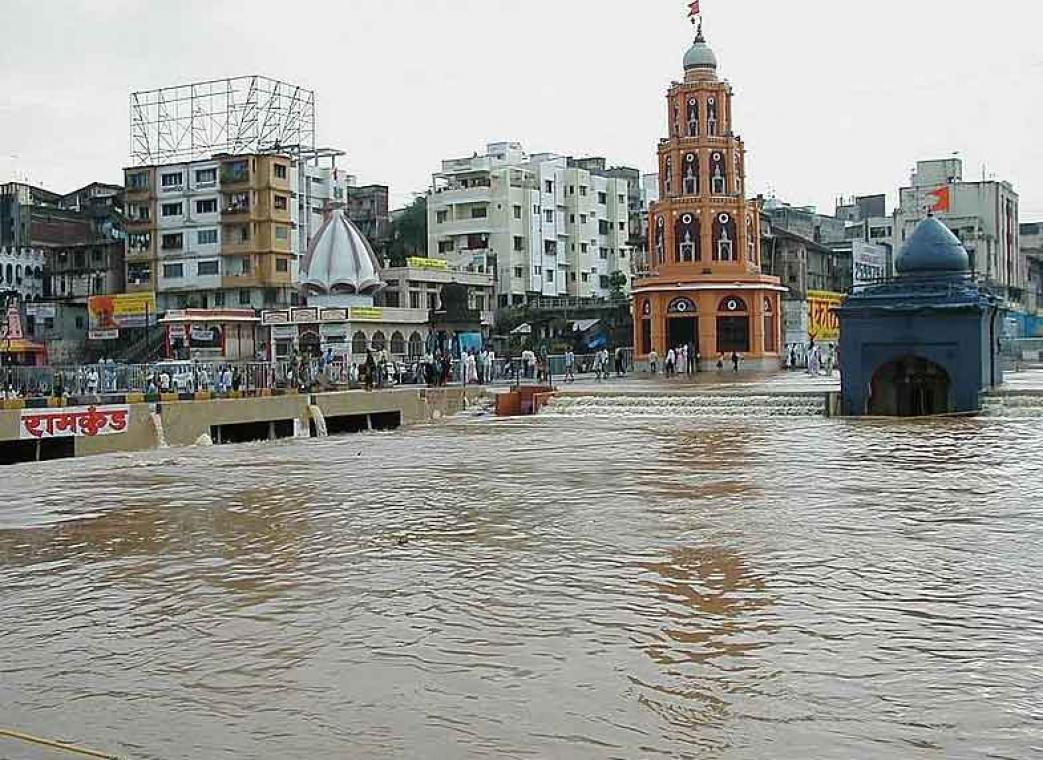
The historical and cultural city of Kolhapur is a lesser-known tourist destination alongside the Panchganga River in southern Maharashtra. Yet, it certainly has plenty to offer! Its magnificent temples are one of the main attractions, with the Mahalaxmi Temple being the focus. The city has a long line of both Hindu and Muslim rulers, and has been the site of intense confrontations. Prior to India’s Independence from 1700 it was controlled by the Maratha Empire and the British. The new palace of the Maharaja of Kolhapur, built in 1884, has grandiose Indo-Saracenic architecture. It now houses the Shree Chhatrapati Shahu Museum, containing memorabilia of Kalhapur’s rulers. Kolhapur also has a couple of interesting claims to fame the famous Kalhapuri chappals (shoes) originated from there and the city is said to produce the best Kushti wrestlers.
6. Lonavala:

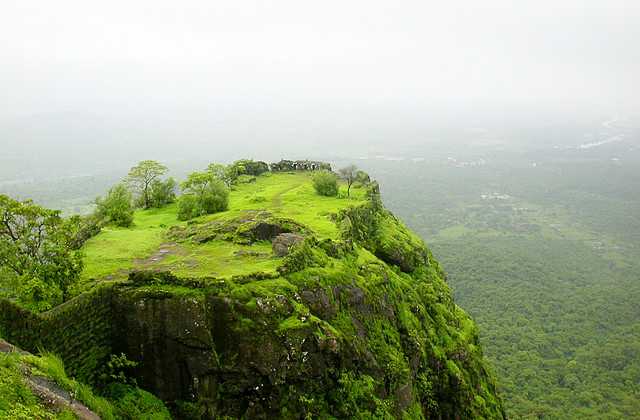
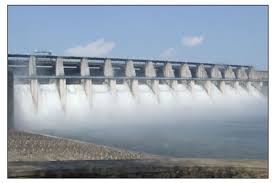
Just two hours southeast of Mumbai, and halfway between Mumbai and Pune, Lonavala provides an eclectic blend of hills, history and adventure. It’s a popular misty monsoon destination, and its lush surroundings have been the backdrop of many Bollywood movie song and dance scense. Attractions include forts, lookouts, lakes, dams, and waterfalls (during the monsoon season). Nirvana Adventures conducts paragliding in Kamshet, close to Lonavala. The ancient rock-cut Karla coves are also worth visiting.
7. Nashik:

Nashik, approximately four hours northeast of Mumbai in Maharashtra,is a city contrasts. On one hand, it’s an ancient and sacred pilgrimage destination with a fascinating Old City. On the others, it’s home to the biggest winery region in India.
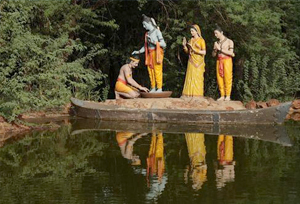
Nashik is closely associated with the Hindu epic the Ramayana, which tells the story of Lord Ram. According to mythology, Ram (along with Sita and Lakshman) made Nashik his home during his 14 years of exile from Ayodhya. They lived in the area now known as “Panchavati” The city gets its name from an incident whereby Lakshman cut off the nose of Surpanakha, the sister of demon Ravan, after she tried to seduce Ram.
8. Konkan Coast:
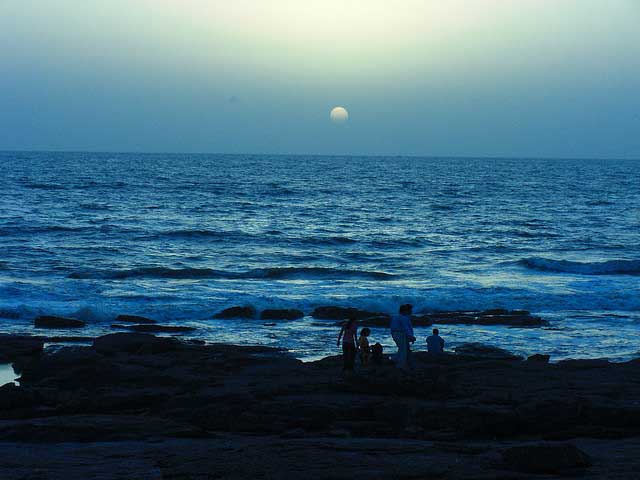
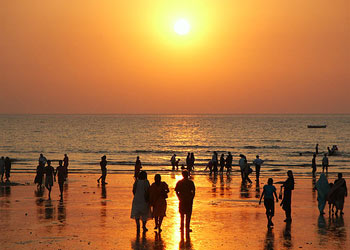
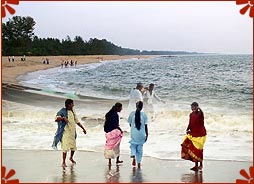
The Konkan Coast in Maharashtra offers a bounty of beautiful beaches, which are among the most pristine in the country. Delightfully off the tourist trail, they are devoid of much commercial development and many are practically deserted.
India’s spectacular Konkan Coast starts south of Mumbai in Maharashtra and extends for more than 700 kilometers to Goa’s border with Karnataka. The Konkan Coast in Maharashtra offers a bounty of beautiful beaches, which are amongst the most pristine in the country. Delightfully off the tourist trail, they are devoid of much commercial development and many are practically deserted. In this regard, the best time to visit is during January and February, when the weather is warm (not hot) and it’s the low season for domestic tourism. During peak season (May school holidays, long weekends, and Indian festival season) water sports, camel rides, and horse cart rides proliferate on the popular beaches.
The beaches below, which are listed in order of proximity from Mumbai, are some of the most notable. Yet, you won’t have to look far to find many lesser-known ones where there is not a soul in sight.
9. Mahabaleshwar:

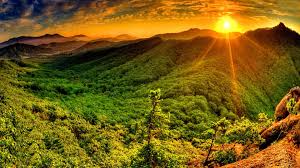
For fresh strawberries (as well as mulberries, raspberries, and gooseberries) head to Mahabaleshwar in the Western Ghat mountains (known as the Sahyadri mountains in Maharashtra ). Strawberry season runs from November to March and you can feast on them at Archie’s Farm or Mapro Gardens. Otherwise, go trekking, fishing, boating, horse riding, or take in the views at one of the many sightseeing points and lookouts (there are nearly 30 of them!).
10. Ajanta and Ellora Caves:

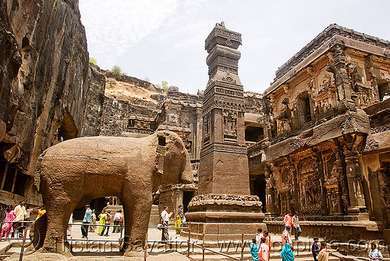
The Ajanta and Ellora Caves are located near Aurangabad in northern Maharashtra, around 100 kilometers (250 miles) from Mumbai. There are 34 caves at Ellora dating from between the 6th and 11th centuries AD, and 29 caves at Ajanta dating back to between the 2nd century BC and 6th century AD. While the Ajanta caves are rich in paintings and sculpture, the Ellora caves are renowned for their extraordinary architecture. The most incredible thing about all these caves is that they were crafted by hand, with only a hammer and chisel.
The caves at Ajanta are all Buddhist, while the caves at Ellora are a mixture of Buddhist, Hindu and Jain. Both are an important UNESCO World Heritage site.
Location:
The caves are in northern Maharashtra, around 400 kilometers (250 miles) from Mumbai.